Repiping & Whole-Home Pipe Replacement in Frederick, MD
Rust-colored water, weak pressure and pinhole leaks all say the same thing. The pipes are at the end of their life, and replacing them once beats patching them for years.
- Galvanized, copper and polybutylene
- Written scope and price
- Permit and inspection handled
- Phased work options
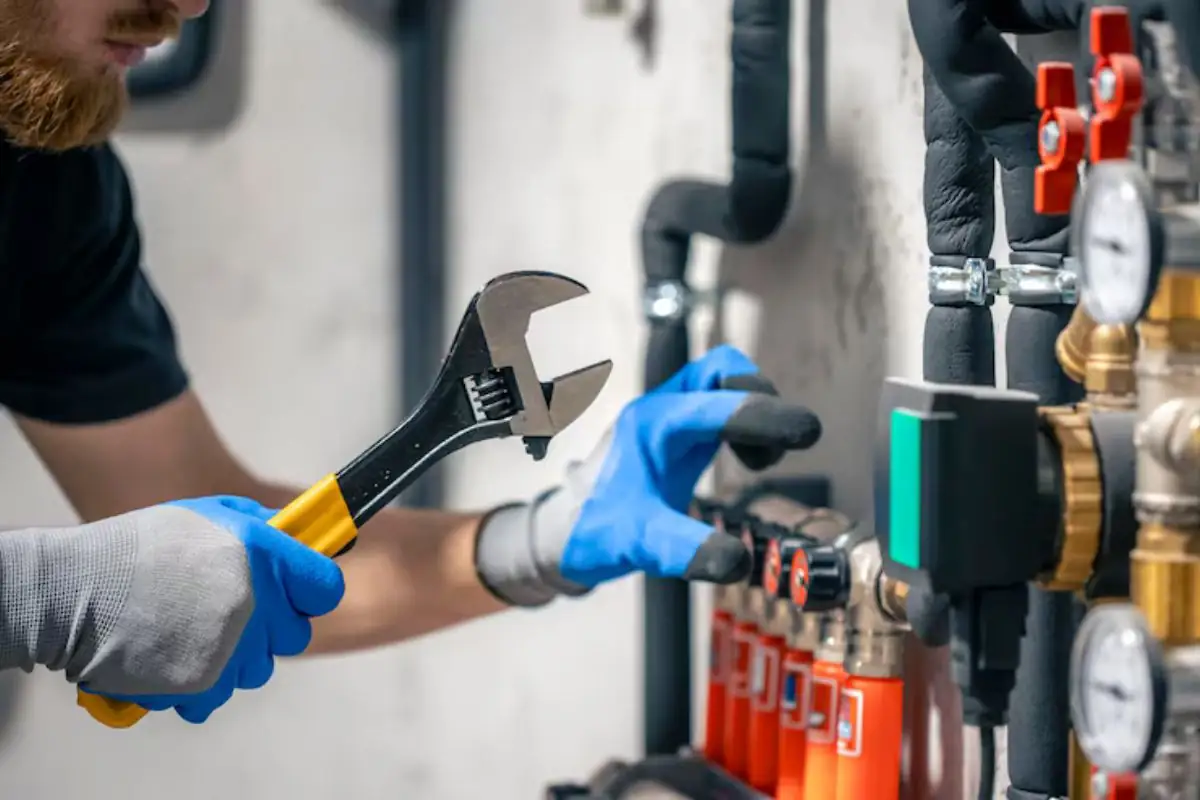
Rusty Water, Low Pressure and Pinhole Leaks? That Pattern Points to Repiping
One leak is bad luck. Three leaks in two years, brown water in the morning and a shower that dribbles are a pattern. The supply pipes inside the walls are corroding from within, and fixing one spot only moves the failure to the next. Replacing the whole run of supply pipe is called repiping.
Signs a House Is Ready for New Supply Pipes
Brown or orange water
Rust from galvanized steel dissolves into the water when a faucet has sat unused.
Weak flow at every fixture
Mineral buildup narrows old galvanized pipe until water can barely pass.
Repeated pinhole leaks
Copper that thins from the inside, or galvanized that rusts through, leaks again and again.
Flaking or green stains at joints
Corrosion on fittings points to wear in the line behind them.
A polybutylene system
Gray plastic pipe common in homes built between about 1978 and 1995 has a record of fitting failures.
Water bill rising with no clear cause
A slow leak inside a wall can cost money long before it stains a ceiling.
What Is Probably in Your Walls, and How It Ages
| Home built | Likely supply pipe | How it fails | Repiping outlook |
|---|---|---|---|
| Before 1960 | Galvanized steel, sometimes lead near the street. | Rusts and clogs inside, pressure drops. | Strong candidate for full repiping. |
| 1960 to 1977 | Galvanized or early copper. | Pinholes in copper, rust in galvanized. | Repipe if leaks are frequent. |
| 1978 to 1995 | Copper, CPVC, some polybutylene. | Polybutylene fittings and joints fail, CPVC turns brittle. | Check the material, repipe if polybutylene. |
| 1996 to today | PEX or copper. | Rare, usually a fitting or installation fault. | Seldom needed. |
These are general patterns. A remodel may have replaced some runs, so a technician checks what is actually behind your walls.
How Repiping Works in Frederick
Repiping in Frederick means running new supply lines from the water meter or main shutoff to every fixture, then removing or abandoning the old pipe. The drains and vents stay. Only the pressurized supply side changes. In a house with an open basement or crawlspace most of the new pipe goes in overhead, and the hardest part is the vertical run up to bathrooms and kitchens.
The usual materials today are PEX and copper. PEX is flexible, goes in with fewer joints and handles a freeze better than rigid pipe. Copper is durable and familiar, but it costs more and takes more joints. Either one lasts decades, and the plumber should explain why one fits your house better.
Both must be approved for drinking water. Look for pipe marked to NSF/ANSI 61, the standard for products that touch potable water, and remember that the International Plumbing Code (IPC) chapter on water supply and distribution governs pipe sizing, materials and testing.
A repipe also gives you a moment to fix other things. Old shutoff valves are replaced, a pressure regulator can be added or reset, and fixtures that have been dripping for years get new supplies. A leak that has already soaked the structure is a separate matter, covered by water damage restoration work.
PEX or Copper for a Frederick House
PEX tends to suit when
- Walls are finished and access is limited.
- The house has unheated crawlspaces or exterior walls.
- Budget and speed matter.
- You want fewer joints in the walls.
Copper tends to suit when
- Pipe runs are exposed in a basement.
- Local inspectors or owners prefer metal.
- Heat and sunlight exposure are concerns.
- You value a long track record.
Either one needs a permit and an inspection, and the plumber should name the material and the fittings in the written scope.
How a Repiping Project Unfolds
Inspect and plan
The plumber checks existing pipe, access points, fixtures and the water shutoff.
Quote in writing
Scope, material, fixture count and drywall repair are written down before the permit is requested.
Replace the lines
New supply pipe goes in, with the water off only for the hours needed, and each fixture is reconnected.
Pressure test
The new system is pressure tested before any wall is closed.
Inspect and patch
The inspector signs off, then access holes are patched for the next trade to finish.
Old Housing, the City's Service Line Survey and Permits
Frederick's historic district and older neighborhoods include homes from the 1800s and early 1900s, many with galvanized or mixed supply pipe. Streets built after the Second World War can have galvanized lines that are now around seventy years old. In 21701 and 21702, that age is why repiping is a regular topic.
The pipe inside your walls is only half of the picture. The City of Frederick has published an inventory of water service line materials by address, listing each line as non-lead, lead, galvanized requiring replacement or unknown. It asked homeowners, especially those with houses built before 1973, to check their lines.
Repiping the interior does not replace the line from the meter to the house. Look up your address in the inventory, and see water line repair and replacement service if your line is flagged.
A repipe also needs a permit. Frederick County asks for one any time plumbing work is done, and an inspector must approve the result. Find out who applies for it and get the inspection date in writing.
Ready to Stop Patching Pipes?
Call and describe the house and its age. The estimate starts with what is behind the walls.
What Drives the Cost of Repiping a House
Repiping is a large project and the price depends on a few clear factors.
Ask Your Insurer About Pipe Type
Some insurers surcharge or decline homes with certain pipe types, including galvanized and polybutylene. If you are buying, selling or renewing, ask your agent how your pipe type affects coverage. A written scope and an inspection record from the repipe are useful proof.
Getting a Home Ready for a Repipe
- Clear access to the basement, crawlspace and the areas around each bathroom and the kitchen.
- Arrange alternative water for cooking and washing on the days the water is off.
- Cover or move belongings near walls where access holes may be cut.
- Tell your plumber about previous leaks, remodels and any drywall you want to keep intact.
- Plan the repair of drywall and paint as a separate step, with the order decided before work begins.
A clear schedule and a protected house make a repipe quicker and less stressful.
Repiping Frederick's Older Houses
Houses in the Historic District and in the streets near Mount Olivet Cemetery were built when galvanized steel and lead-soldered copper were standard. Both can restrict flow and discolor water as they age.
A repipe in a brick house means careful routing through plaster and masonry. A crew that has opened these walls before can limit the patching afterward.
Repiping Questions From Frederick Homeowners
If leaks keep appearing, water runs brown or pressure is poor at every fixture, repiping fixes the cause. A single leak in sound pipe is a repair.
Usually for part of each working day, and you can often have it back by evening. The plumber will explain the plan for your house.
Yes, when it is approved for potable water and installed with the right fittings. The scope should name the product.
Yes. A burst or leaking pipe is handled on the 24/7 line, and the repiping plan can follow when things are calm.
Yes. A permit is needed before the pipe goes in, and the finished work is inspected before the walls are closed.
Often, yes. Phasing spreads cost and disruption, but it adds visits, so ask for both options priced.
Yes. Walkersville, Middletown, New Market, Thurmont and Urbana homes are served by the same line.