Leak Detection in Frederick, MD
Water is going somewhere, and you cannot see where. Leak detection finds the pipe before anyone cuts a wall or digs a yard.
- Meter and pressure tests
- Acoustic and thermal tools
- Detection price up front
- Active leaks taken overnight
My Water Bill Jumped and Nothing Is Dripping. Where Is the Water Going?
A bill that doubles with no visible leak is one of the most common reasons people search for help. Water may be escaping from a pipe in a wall, under a floor, in the yard between the meter and the house, or into a toilet that never stops running. Finding the source without opening everything is a job called leak detection.
A Meter Test You Can Do in Ten Minutes
Stop all water use
Turn off every faucet, the dishwasher, the washer and the ice maker. Make sure nobody flushes.
Read the meter
Write down the number, or note the position of the small dial or triangle on the meter face.
Wait and read again
Wait 15 to 30 minutes with no water use, then read it again.
Compare
If the reading moved, water is leaking somewhere on the property. If not, the problem may be intermittent.
How Leak Detection Works in Frederick
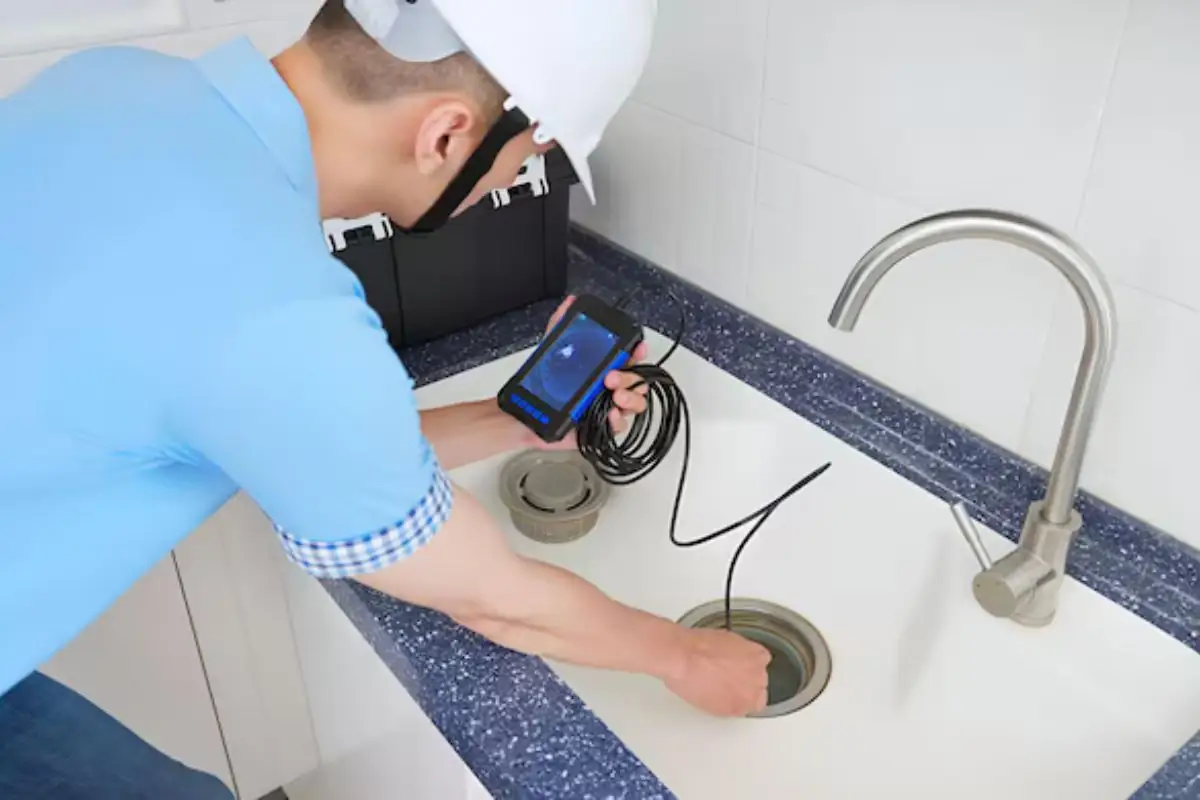
Leak detection in Frederick starts by working out which part of the plumbing is losing water. A meter test separates leaks inside the house from leaks in the service line between the meter and the foundation. A pressure test of the supply system narrows it further. Only then does the technician use listening gear or a thermal camera.
The goal is to find a single pipe, not a general area. A leak found within a foot or two means one small opening in a wall or one trench in a yard, instead of tearing out a whole room. That precision is what you pay for, and it is cheaper than guesswork.
After a repair, the supply piping is pressure tested, which is what the International Plumbing Code (IPC) expects for new or altered pipe. If the leak is in a supply line that has been failing for years, the answer may be a small repair or a longer-term fix such as repiping. If the leak is outside, water line repair and replacement covers the pipe that runs from the meter.
What Each Detection Method Can and Cannot Find
| Method | What it finds | Best for | Limits |
|---|---|---|---|
| Meter and pressure test | Whether a leak exists and which side it is on. | First step on every call. | Does not pinpoint the spot. |
| Acoustic listening | The sound of water escaping under pressure. | Pressurized supply lines in walls, floors and yards. | Noise from traffic or other pipes can mask it. |
| Thermal imaging | Temperature differences from hot leaks or wet materials. | Hot water lines, radiant heat, wet walls. | Cold leaks show up poorly. |
| Tracer gas | Gas escaping from the pipe through the leak. | Hard-to-hear leaks and slab leaks. | Needs access to isolate the line. |
| Moisture mapping | Wet spots in drywall, wood and subfloor. | Mapping the damage after a leak. | Shows water, not always its source. |
| Camera inspection | Cracks and breaks inside drain lines. | Drain and sewer leaks. | Does not test pressurized supply lines. |
The City's Leak Forgiveness Program and What It Requires
The City of Frederick offers a one-time reduction on water and sewer charges when a leak causes an excessive bill. The city looks for a bill at least twice the normal usage, based on the average of the last three billing cycles, and the program is for residential customers. It is not offered to apartments or condominiums served by one meter.
The city expects the leak to be repaired first. After the repair, the Water Department takes two readings to confirm usage has returned to normal, and the adjustment runs from the first day of the protested bill to the first normal reading. A written leak report from a technician gives you a clear record of what failed and when it was fixed.
That makes timing matter. A homeowner who waits months before investigating a high bill loses bargaining room and pays for more water. If your bill has jumped and your address is in 21701, 21702, 21703 or 21704, run the meter test above and call.
What to Do Before Anyone Opens a Wall
Hidden leaks sit near wiring, gas lines and structure. Keep these in mind while you wait.
- Do not cut into drywall or flooring on a guess. Wiring and gas piping often run next to water lines.
- If water is near the electrical panel, outlets or a light fixture, switch off power to that area from a dry spot or call before touching anything.
- Shut off the main if you can hear water running and cannot find the source.
- Do not drill or cut a concrete slab to look for a leak. Locate it first.
- Photograph stains and take daily meter readings so the technician sees how fast water is escaping.
Then call and share the readings. They save time on site.
Think You Have a Hidden Leak?
Call and describe the symptom. If water is running now, shut the main first.
Signs of a Leak You Cannot See
Meter moves with everything off
This is the surest sign of a leak somewhere on the property.
Sound of running water at night
A hiss or trickle when the house is quiet can mean a pressurized line is leaking.
Warm spot on the floor
A hot water line under a slab or floor can warm the surface above it.
Damp or musty smell
Moisture trapped in a wall or crawlspace often smells before it shows.
Stains or peeling paint
Water moving through drywall leaves brown rings and bubbles the finish.
Lower water pressure than usual
A leak can drop pressure, especially in older galvanized supply lines.
Slab Leaks, Crawlspace Leaks and Where Frederick Houses Differ
Most older Frederick houses sit on basements or crawlspaces, so supply lines are visible overhead and leaks are easier to reach than in a slab-on-grade home. Slab leaks do occur in newer townhomes, additions and some subdivisions, where supply lines were run in or under the concrete. For those, tracer gas and acoustic tools find the spot before any concrete is cut.
Commercial properties have the same problem on a larger scale. A shop, restaurant or office with a rising water bill needs the same meter test, usually followed by zone-by-zone isolation. See commercial plumbing service for larger systems.
What Leak Detection Costs, and What Changes It
What Insurance Looks For
Many policies cover sudden, accidental leaks and the damage they cause, but not the cost of finding or repairing a slow leak. Some policies cover tear-out to reach a leak. Ask your agent before work starts, and keep the detection report with the moisture readings.
Leak Detection in Frederick: Slabs, Masonry and Basements
A hidden leak in a downtown brick building can travel along masonry before it shows on a ceiling, so the wet spot is often far from the pipe. In newer Frederick subdivisions, slab and crawlspace lines are the usual suspects.
Homes in low spots near Carroll Creek and Baker Park can show damp walls that are not plumbing at all. Detection tells you which problem you have before you pay for the wrong repair.
Hidden Leak Questions, Answered
A toilet that runs, an outdoor spigot left dripping or a leak in the service line can all raise a bill without showing a puddle. A meter test tells you which side of the house is losing water.
Active leaks, yes, at any hour. If water is flowing, shut off the main first and then call. A quiet suspected leak can wait for a daytime meter test.
With a meter test first and the right tool for the line type, a good technician can usually narrow a leak to a small area. Conditions such as noise, pipe material and depth affect accuracy.
Only after the leak is located, and then only at the spot. That is the point of detecting it first.
The water utility owns the main and the meter side. If the leak is between the meter and the house, it is on your side and the plumber repairs it.
A hissing sound in a wall at night is a strong clue. A technician can listen with a sensor to confirm.
Yes. A meter test works the same in Urbana, Thurmont or Walkersville as it does in town, and the dispatcher will ask for the two meter readings before anything else.
Water Going Somewhere It Should Not?
Call now. The line is answered 24/7 for active leaks.
Call (301) 936-0389