Sewer Line Repair in Frederick, MD
A camera finds the break, a technician explains the options and you choose between digging a trench and lining the pipe where it lies.
- Camera inspection and locating
- Spot repair, lining or replacement
- Price before digging
- 24/7 emergency line
How Sewer Line Repair Works in Frederick
Sewer line repair in Frederick starts below ground and ends with a decision. The pipe that carries waste from your house to the sewer main can crack, collapse, sag or fill with roots. Clearing it only helps until the same defect catches the next clog, so the real question is whether the pipe can be repaired where it sits or has to be replaced.
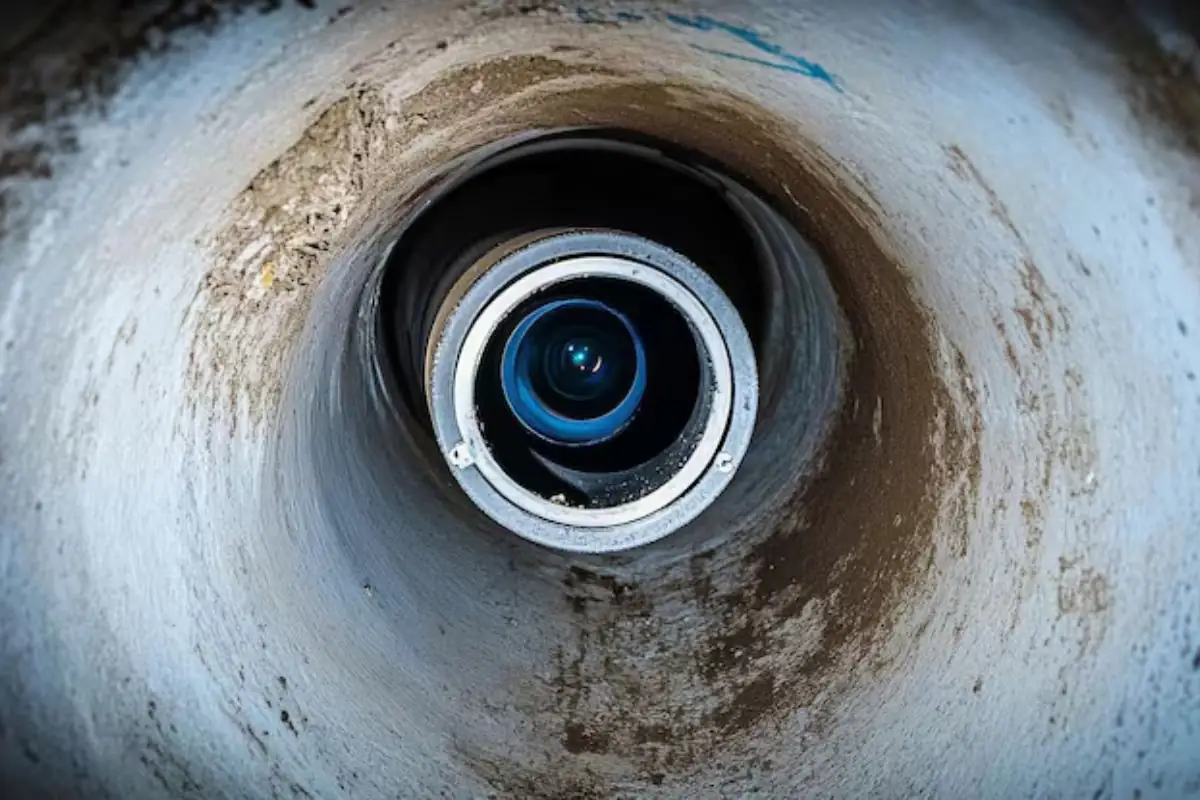
That question is answered by a camera, not a guess. The technician runs a camera on a flexible cable through a cleanout and watches the pipe from your foundation to the street. A locator on the surface marks where the camera sits and how deep the pipe runs, so a repair can be planned for the right spot.
Most backups start as repeated clogs. If yours has been cleared more than once, a short drain cleaning visit with a camera is the cheapest way to learn if the pipe itself is the problem.
Four Steps Before Anyone Digs
Camera run
A camera travels the line and records cracks, offsets, roots, sags and any section that has collapsed.
Locate and measure
The break is marked on the ground, with the depth and distance from the house noted.
Review the options
You see the video and hear which repair methods fit the pipe, the yard and the budget.
Quote and permit
You get the price in writing, and the plumber explains who pulls the permit and schedules the inspection.
Spot Repair, Lining, Bursting or Full Replacement
Four methods cover almost every sewer lateral. The camera tells the technician which ones are on the table for your pipe.
| Method | How it works | Best for | Limits |
|---|---|---|---|
| Spot repair | A small trench exposes the break, the bad section is cut out and a new piece is coupled in. | One cracked or offset joint with sound pipe on both sides. | Does not fix a line that is failing along its length. |
| Pipe lining (CIPP) | A resin-soaked liner is pulled through the old pipe and cured to form a new pipe inside it. | Cracks, root entry and joint leaks in a pipe that still holds its shape. | A collapsed or badly sagging pipe cannot be lined. |
| Pipe bursting | A new pipe is pulled through as a tool breaks the old one outward. | Failed lines under driveways, landscaping or mature trees. | Needs entry and exit pits and clear paths for the tool. |
| Open-trench replacement | The old pipe is dug out and a new one is laid at the right slope. | Collapsed, bellied or very shallow lines. | Most disruptive to yards, patios and driveways. |
Lining and bursting are called trenchless methods. They limit digging but do not suit every pipe or every yard.
Clay, Cast Iron, Fiber Pipe and the Permit Rules That Apply
Older Frederick neighborhoods were built when clay and cast iron were standard for sewer laterals. Clay comes in short sections with many joints, and each joint is an opening for roots. Cast iron rusts from the inside until the wall thins. Some homes from the 1940s into the early 1970s have Orangeburg, a tar-soaked fiber pipe that softens and deforms with age.
A camera shows which one you have, and the answer changes the repair. Orangeburg rarely holds up to jetting or lining and is usually replaced. Clay with a few failed joints can often be lined. Cast iron near the end of its life may be better replaced than patched.
Digging brings paperwork. Call 811 before any excavation so buried lines are marked. Frederick County requires a plumbing permit for plumbing work, and its permit page states that only licensed master plumbers may install water or sewer lines from the main to the structure.
Inside the City of Frederick, the city building department sets its own rules, so ask who pulls the permit and put the permit number on your invoice. These steps apply from 21701 through 21704 and in the towns beyond.
Signs the Sewer Line Itself Is Failing
Repeat clogs after cleaning
A line that clogs again within weeks often has roots or a belly holding waste.
Gurgling toilets and slow drains
Several fixtures acting up together point to the main line, not a single trap.
Sewage smell in the yard
A cracked pipe can leak, and the smell may come before any backup.
Green, soggy patch above the line
Wastewater feeds grass, and an unexplained wet strip can mark a leak.
Sinkhole or settling in the lawn
Soil washing into a broken pipe leaves voids that show on the surface.
Rodents or insects near drains
A broken pipe is a pathway into the house.
Sewage Backing Up Right Now?
Stop using water and call. A backed-up line is an emergency, and the dispatcher can tell you what to do until a technician arrives.
When to Fix a Section and When to Renew the Line
A section repair makes sense when
- The camera shows one break with sound pipe around it.
- The pipe is newer plastic.
- Roots entered at a single joint.
- No sag or belly shows along the run.
Renewing the line makes sense when
- Several joints are cracked or offset.
- The pipe is Orangeburg or heavily rusted cast iron.
- A section has collapsed or holds standing water.
- You have been paying for clearing every year.
A short repair on a line that is failing along its length is usually money spent twice.
What Changes the Cost of Sewer Line Repair
What Insurance Usually Does Not Pay For
Homeowners policies typically do not pay to replace a worn sewer lateral, even when a backup endorsement is in place. Some utilities and insurers sell separate service line coverage, so check before assuming the cost is yours alone. Keep the camera video, since it documents what failed and when.
Six Questions to Ask Before Approving Sewer Work
- Can I see the camera video of my own line?
- Who pulls the permit, and what is the permit number?
- Who holds the Maryland master plumber license for this job?
- What is the written scope, and what does it exclude, such as landscaping or concrete?
- What warranty covers the repair, in writing?
- What happens if the crew finds something different once the pipe is exposed?
A plumber who answers these plainly is worth more than the lowest bid.
Sewer Line Repair Under Frederick Streets
Older Frederick streets such as those around the Historic District and Carroll Creek have laterals that predate plastic pipe. Some run under brick sidewalks and mature trees, which affects how a repair is dug.
A camera inspection shows the pipe type, the break and the distance to the main. That decides whether the repair is a short spot dig or a longer replacement, and whether a permit is needed.
Sewer Line Repair Questions, Answered
A sewage backup is handled as an emergency at any hour. The permanent repair is booked after the line is cleared and inspected.
A single slow fixture is usually a local clog. A backup that returns or involves several fixtures points to the sewer line. A camera settles it.
Often, if the pipe still holds its shape. Lining and bursting limit the digging, but a collapsed pipe needs an open trench.
Generally the property owner is responsible from the house to the cleanout at the property line, and the utility handles the main beyond it. Ask your utility where the line ends for your address.
In Frederick County, plumbing work needs a permit, and only licensed master plumbers may install water or sewer lines from the main to the structure. Ask who pulls it.
Many spot repairs and linings take a day or two. Longer runs and open-trench jobs take more days, and permits can add scheduling time.
Yes. Lateral work in Walkersville, Middletown, New Market, Thurmont and Urbana starts with the same camera run, and the permit authority may be the county or a town, so the plumber confirms which one applies.
Sewer Line Failing?
Call now and get a camera look at the pipe before anyone digs.
Call (301) 936-0389