Water Filtration Installation in Frederick, MD
Chlorine taste, sediment, rusty staining or a worry about lead. The right filter depends on what is in your water, not on what the ad says.
- Whole-house and under-sink
- Lead-reducing options
- Matched to a water test
- Price before work starts
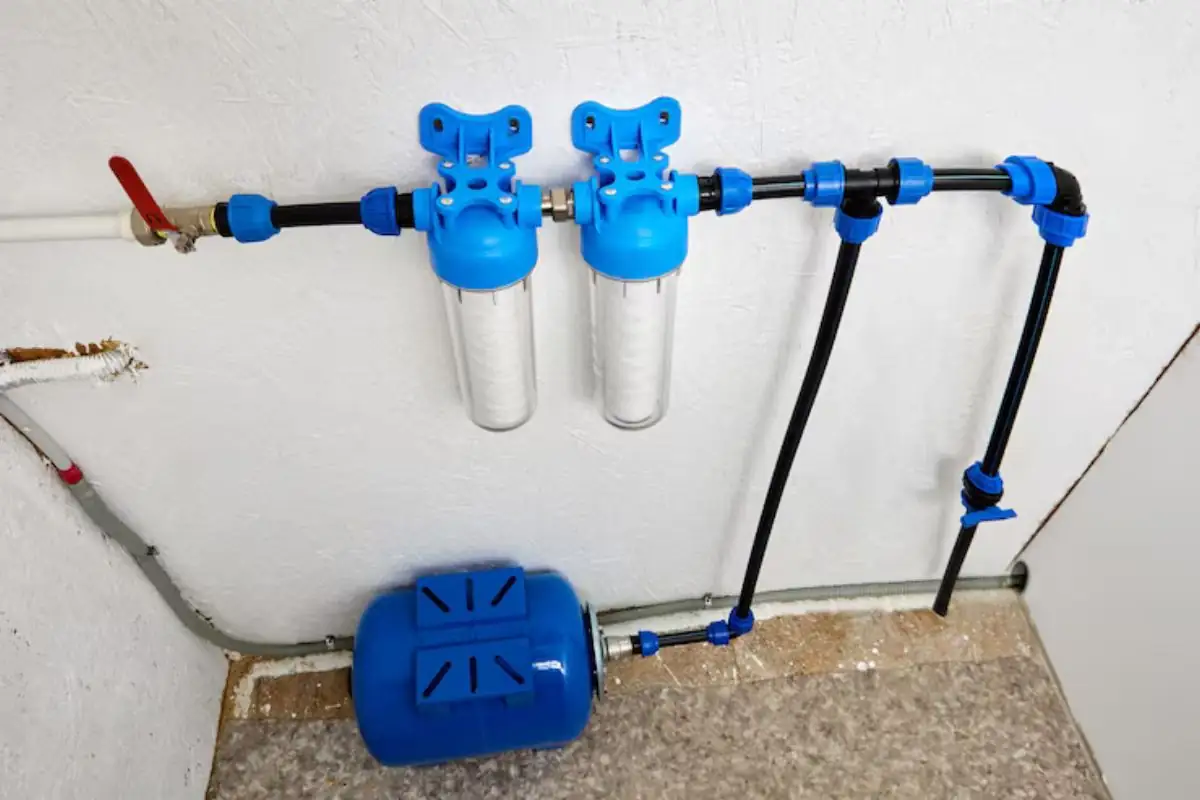
Water Tastes Like Chlorine, Looks Cloudy or Leaves Stains? A Filter Can Fix That
Tap water that tastes like a pool, runs cloudy after a main repair or leaves orange stains in the sink is telling you something about what is in it. The fix is usually a filter chosen for the problem. A system that treats sediment is different from one that treats chlorine or lead, which is why water filtration installation starts with a question about what you see and taste.
Which Filter Solves Which Problem
| Problem | Likely source | Filter type | Standard to look for |
|---|---|---|---|
| Chlorine taste and odor | Disinfection of city water. | Carbon filter. | NSF/ANSI 42. |
| Sediment or cloudy water | Pipe scale, main work, well sediment. | Sediment pre-filter. | Rated by micron size. |
| Possible lead from old plumbing | Lead service line or solder. | Certified lead-reducing filter. | NSF/ANSI 53. |
| Orange stains and metallic taste | Iron in well water. | Iron filter. | Water test first. |
| Dissolved solids, nitrates | Well water or agricultural runoff. | Reverse osmosis at the tap. | NSF/ANSI 58. |
| Hard water scale | Calcium and magnesium. | Softener, not a standard filter. | See water softener page. |
A filter is rated for specific contaminants. Check that the certification lists the one you care about.
How Water Filtration Installation Works in Frederick
Water filtration installation in Frederick starts with a plan. City water here starts as river and reservoir water, treated by the city and partly topped up with Potomac supply from the county. The city's published consumer report lists what is in it, and a home on a private well needs its own test.
A whole-house system treats every tap, protects fixtures and appliances and suits sediment, chlorine and iron. An under-sink or countertop unit treats drinking and cooking water only and suits lead or taste concerns. Many homes use both, with a sediment filter at the main and a certified unit at the kitchen sink.
Maryland restricts who may install treatment equipment. Water conditioning and treatment work must be done by a licensed well driller, water conditioner installer, master plumber or journeyman plumber. That is also why the install needs a bypass valve, a shutoff and a clear space for filter changes.
Service Line Records and What a Certified Filter Is For
The city has put out a searchable list of service line materials by address, sorting each line into non-lead, lead, galvanized needing replacement, or unknown. Look up your address. If your line is listed as lead or unknown, replacing it is the lasting answer, and a certified filter reduces exposure in the meantime.
A lead-reducing filter must be certified to NSF/ANSI 53 for lead, not just labeled as a carbon filter. Change cartridges on the maker's schedule. A spent cartridge stops working without warning. For lines that need replacing, see emergency water line repair and replacement.
Want Cleaner Water?
Call and describe the taste, color or stains. A short test points to the right system.
What Changes the Cost of a Filtration System
Plan the Upkeep
A filter is only as good as its maintenance. Put cartridge dates on a calendar. Many systems include an indicator or a flow-based reminder.
Water Filtration for Frederick Homes
City water in Frederick is treated and tested, so filtration there is mostly about taste and chlorine. A carbon filter under the sink or at the main covers it.
Wells outside the city, including those near Thurmont and the Catoctin foothills, may need sediment and iron filtration. A lab test tells you which stage to add.
Water Filtration Questions From Frederick Homes
City water is disinfected with chlorine, which some people notice. A carbon filter at the tap or whole-house removes the taste and smell.
Check the city's published service line inventory for your address, and look at your pipes. A plumber can confirm. A certified lead-reducing filter helps in the meantime.
Often yes for drinking water, because a softener removes hardness but not chlorine or lead.
Under-sink cartridges are often changed every six months to a year. Whole-house media lasts longer. Follow the manual.
Yes. A test is the first step. Wells can carry bacteria, nitrates and iron that a basic filter will not fix.
Yes. Wells outside the towns need a water test before any filter is chosen, and town systems have their own published water reports to read first.