High Water Bill: Find a Hidden Leak With Your Meter
Shut off everything that uses water, read the meter, wait twenty minutes and read it again. If the number moved, water is leaking somewhere on your property.
- Frederick-specific facts
- Steps you can take
- When to call a plumber
The Short Answer
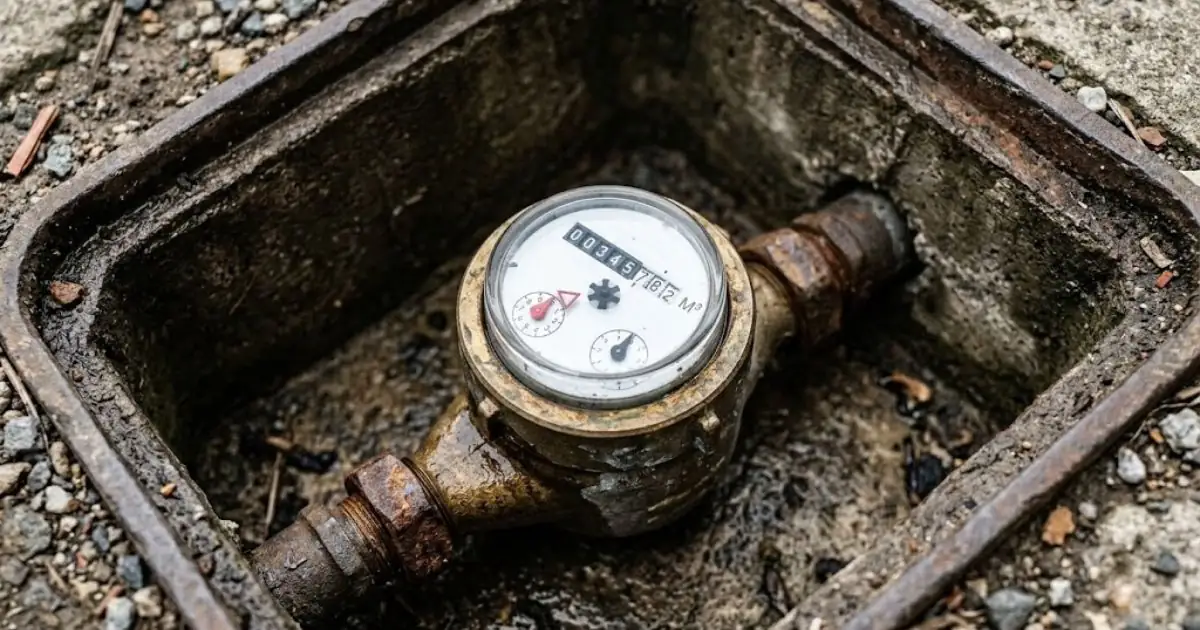
A high water bill with no obvious cause usually means a leak, and the quickest test is at the meter. Turn off every fixture and appliance, make sure no one flushes a toilet, then record the meter reading or note the position of the small leak indicator. Wait fifteen to thirty minutes and look again. If the number or the indicator has moved, water is escaping.
If the meter does not move, the leak may be intermittent, such as a toilet that runs only now and then, or the high usage may be real. Run the test again after a few hours, and check the toilets with dye.
A Careful Meter Test in Six Steps
Stop all use
Close taps, stop the dishwasher, washer and ice maker.
Locate the meter
It is usually in a box near the street or in the basement.
Record the reading
Photograph the dial and any small triangle or flow indicator.
Wait
Leave everything off for fifteen to thirty minutes.
Read again
Any movement means a leak on your side of the meter.
Narrow it down
Close the main valve at the house and check if the meter still moves.
The City of Frederick's One-Time Leak Adjustment
The City of Frederick offers a one-time reduction on water and sewer charges when a leak causes an excessive bill. The city looks for a bill that is at least double normal usage, based on the average of the last three billing cycles. It is open to residential customers, but not to apartments or condominiums served by one meter.
The city expects the leak to be repaired. After the repair, the Water Department takes two readings to confirm usage has returned to normal, and the adjustment runs from the first day of the protested bill to the first normal reading. A written leak report from the plumber helps.
If you live in a town that runs its own water, such as Walkersville, ask its office whether a similar policy exists. Walkersville runs its own wells and billing, so the rules there are the town's.
The Usual Suspects, Ranked by How Often They Cause High Bills
| Source | Clue | How to check |
|---|---|---|
| Toilet flapper | Faint hissing, water sound at night. | Add food coloring to the tank, wait fifteen minutes. |
| Outdoor spigot or hose | Wet ground by the foundation. | Check for dripping with the hose disconnected. |
| Irrigation system | Wet patch in the lawn. | Turn off the system and test the meter. |
| Water heater or supply line | Damp floor, rust. | Look for moisture around the tank and fittings. |
| Underground service line | Wet ground between meter and house. | Test with the house main closed. |
| Pipe in a wall or slab | Warm spot, stain, sound of running water. | Leak detection with acoustic tools. |
Meter Still Moving?
Call and share the two readings. They tell the dispatcher where to look.
Is the Leak Inside or Outside the House?
Close the house main. Meter stops.
- The leak is inside the house.
- Check toilets, fixtures, the heater and appliances.
- A hidden pipe in a wall or floor is possible.
- Use leak detection to find it.
Close the house main. Meter keeps moving.
- The leak is between the meter and the house.
- Look for wet ground or a soggy lawn.
- The service line may need repair or replacement.
- Call before the damage spreads.
See water line repair for outdoor leaks and toilet repair for the most common indoor cause.
How a Plumber Pinpoints a Hidden Leak
A plumber starts with the same meter test and then isolates sections. Closing valves one at a time shows which branch loses water. Acoustic listening picks up the hiss of pressurized water, and a thermal camera shows warm patches from hot water leaks.
That precision saves money. A leak located within a foot or two means a small opening in a wall or one short trench, instead of tearing out a room. Leak detection explains the tools in detail.
A leak that has already caused damage may also need water mitigation work to dry the structure. Keep the water bill, the meter readings and the plumber's report together.
What Finding and Fixing a Leak Costs
What Insurance Covers
Insurers often cover sudden leaks, not slow ones. Keep the report and the bills to show when the problem began.
How to Tell a Leak From Higher Use
Start with the bill itself. Compare the gallons or cubic feet used with the same months last year, not just last month. Summer lawn watering, a visiting relative or a new pool can explain a rise. A leak shows as a steady rise that does not follow the calendar.
Look at the meter on a day when no one is home. If the dial turns steadily with everything off, you have a leak. If it is still, the use may be intermittent, such as a toilet that sticks open now and then or an irrigation zone that runs by timer.
Keep notes. Dates, readings and photographs make a record that helps the plumber, the city and your insurer, and they show when the leak began.
Five Free Checks Before You Call
- Drop food coloring in each toilet tank and look at the bowl after fifteen minutes.
- Look at every faucet and hose bib for drips.
- Check under sinks and around the water heater for moisture.
- Turn off the irrigation system and retest the meter.
- Walk the yard between the meter and the house for soft or green patches.
Why Pressure Matters for Leaks
The International Plumbing Code (IPC) sets limits on water pressure in a house. High pressure stresses fittings and hoses and makes leaks more likely, so a plumber looking at a leak may also test the pressure regulator with a gauge.
High Water Bill Questions From Frederick Homeowners
Not always. Guests, a new appliance or a seasonal change can raise usage. A meter test settles it.
Yes. A toilet that runs constantly can waste thousands of gallons a month.
The owner. A master plumber is required for water lines from the main to the structure.
Yes. If water is running, close the main and call. The line is open 24/7.
The city repairs first, then takes two readings, so expect a few weeks.
No. It finds the leak first, so any opening is small and in the right place.