Emergency Water Mitigation in Frederick, MD
Mitigation is the first-day work that keeps a wet house from getting worse. The aim is to stop the spread, save what can be saved and set up drying.
- Water extraction
- Contents and floor protection
- Drying equipment set up
- Crew line open 24/7
Water Is Everywhere and You Do Not Know What Comes First
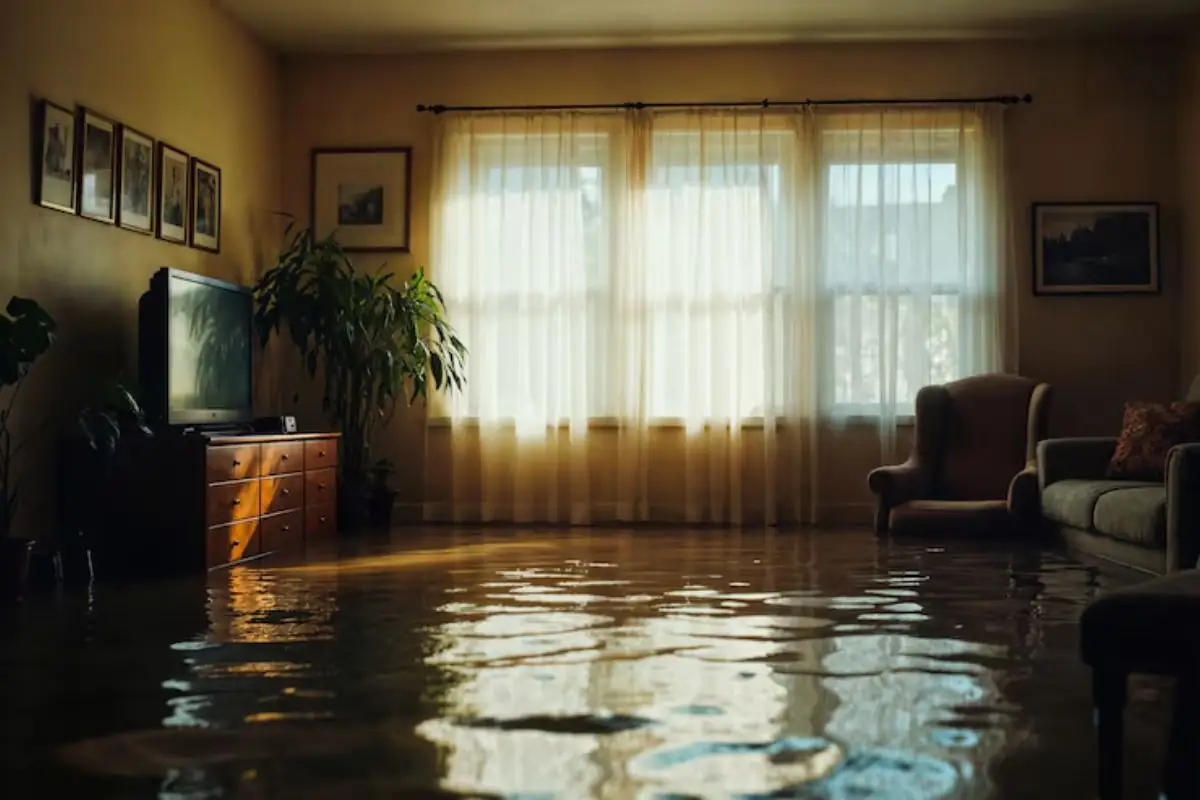
The leak has stopped or the rain has eased, and the house is still wet. Furniture sits in water, the carpet is soaked, and every hour seems to make the walls darker. The first-day work that keeps the damage from growing is called water mitigation.
What Matters at Each Stage After a Water Loss
| Time since the loss | What the crew does | What you can do | Risk if it waits |
|---|---|---|---|
| Hours 0 to 4 | Stop-loss: extract standing water, protect floors and move contents. | Close the water source, photograph, keep people out of wet rooms. | Water wicks into walls and floors. |
| Hours 4 to 24 | Map moisture, remove soaked materials, begin drying. | Open closets and cabinets, remove rugs and wet items. | Materials swell and begin to delaminate. |
| Day 1 to 3 | Run air movers and dehumidifiers, take readings daily. | Keep the house closed and equipment running. | Mold can begin to grow on damp surfaces. |
| After day 3 | Verify dry readings, decide what must be rebuilt. | Talk to your insurer about the next step. | Hidden moisture and lingering odor. |
The first two rows carry the most weight, since mold prevention depends on how quickly wet materials are dried.
What Water Mitigation Means in Frederick
Water mitigation in Frederick covers the emergency steps that limit a loss. The crew pumps out standing water, pulls up carpet pad that cannot be saved, protects hardwood and furniture, and sets drying equipment in the rooms that are wet. The work is organized around the first 24 to 72 hours, when the damage is spreading fastest.
The practice follows the ANSI/IICRC S500 standard. Mitigation is the early part of it: classify the water, protect what can be saved, and start drying with readings that show progress. Asking a company how it applies the standard is a fair test of its work.
Mitigation is not the same as the rebuild. Once the structure is dry and stable, the longer stage begins, covered by emergency water damage restoration. A company may do both, but they are billed and documented separately, and insurers care about the difference.
Most homeowners policies require you to take reasonable steps to protect the property after a loss. Hiring a crew to dry and stabilize the house is one of the clearest ways to show you did. Keep the invoice and the moisture readings with your claim file.
Mitigation First, Restoration After
Mitigation covers
- Extracting standing water.
- Protecting floors, walls and contents.
- Removing materials that cannot dry.
- Setting up drying equipment.
- Recording the first moisture readings.
Restoration covers
- Finishing the drying and verifying it.
- Cleaning and disinfecting surfaces.
- Replacing drywall, flooring and insulation.
- Painting and finish work.
- Returning the house to its pre-loss condition.
A plumber stops the leak itself. If the cause is a split pipe, see burst pipe repair.
Four Moves in the First Day
Safety and source
The crew confirms the water has stopped and checks for electrical and slipping hazards.
Extract
Submersible pumps and extraction wands pull standing water off floors and out of crawlspaces.
Protect and remove
Contents are lifted or moved, and wet materials that cannot dry are cut out and bagged.
Start drying
Air movers and dehumidifiers go in, and first readings are recorded as a baseline.
Hazards to Respect Before Anyone Enters a Wet House
- Treat standing water near outlets, cords or appliances as live until power to the area is off.
- Do not walk on a ceiling that is sagging or on floors that feel soft.
- Wear boots and gloves if the water may be gray or black, and keep children and pets out.
- Do not run a household vacuum on water, and do not use fans plugged into wet circuits.
- Leave the house and call 911 if you smell gas or see sparks.
Then call the mitigation line. The dispatcher will ask about each hazard on your list.
House Still Wet?
Call the mitigation line. The sooner extraction and drying start, the less there is to rebuild.
Rivers, Storms and the Policies Behind the Water
The City of Frederick's flood information notes that the Monocacy River reaches flood stage at 15 feet on the city gauge, and at that level backwater flows toward Carroll Creek. In heavy storms, low-lying streets and basements can take on water even when the creek conduits are doing their job. If rain is the source, mitigation also has to deal with groundwater seeping through walls.
Insurance treats these sources differently. The Maryland Insurance Administration lists flood, groundwater and seepage among the losses most homeowners policies exclude, while sudden pipe failures are generally covered. A flood endorsement or a separate flood policy is how that gap is closed, and it has to be in place before the loss.
The practical result is that the cause of the water changes who pays. Tell your insurer exactly what happened, and let the crew document the source and the readings. That record keeps the first conversation with the adjuster simple.
What to Record Before and During Mitigation
- Photograph and video every wet room, the water level and the source before anything is moved.
- Make a list of damaged contents, with brand, age and approximate value where you can.
- Save the broken part, such as a failed hose or valve, if it caused the loss.
- Keep every receipt, including emergency purchases such as fans or temporary lodging.
- Ask the crew for the moisture readings and the equipment log, and keep both with your claim file.
Share these with your insurer. Clear records shorten the claim.
What Drives the Cost of Water Mitigation
What to Tell Your Insurer
Report the loss promptly, give the date and cause, and send the mitigation invoice with the readings. Ask if your policy has a limit on emergency services, and if a deductible applies.
Water Mitigation Near Frederick's Creeks and Brick Buildings
The first hours after a leak decide how much of a building survives. Properties close to Carroll Creek, Baker Park and the Monocacy see groundwater and storm water that complicate drying.
Brick and plaster in the Historic District absorb water and release it slowly, so equipment may need to run longer than in a drywall home. Moisture readings show when the structure is dry.
Water Mitigation Questions, Answered
Yes, the crew line is staffed through the night and on holidays, since a wet house worsens with every hour.
Mitigation is the emergency stage that stops further damage. Restoration is the longer work of drying fully, cleaning and rebuilding.
As soon as the water is stopped. Guidance from the EPA recommends drying wet materials within 24 to 48 hours.
Not always. A clean-water leak in one room may let you stay put, while sewage or widespread contamination does not.
Call as soon as you can. Most policies expect prompt notice, and many want you to take steps to prevent more damage.
Sometimes. Fast extraction and drying can save hardwood, but boards that have cupped badly may need replacement.
Yes. The mitigation line is not limited to town addresses, so a wet basement in Middletown or Thurmont gets the same first questions about the water source and its duration.