Emergency Sump Pump Installation & Repair in Frederick, MD
The pump that never runs until the night of the storm is the one that fails. Repair, replacement and backup systems for basements that take on water.
- Pump repair and replacement
- Battery backup systems
- Discharge line checked
- 24/7 emergency line
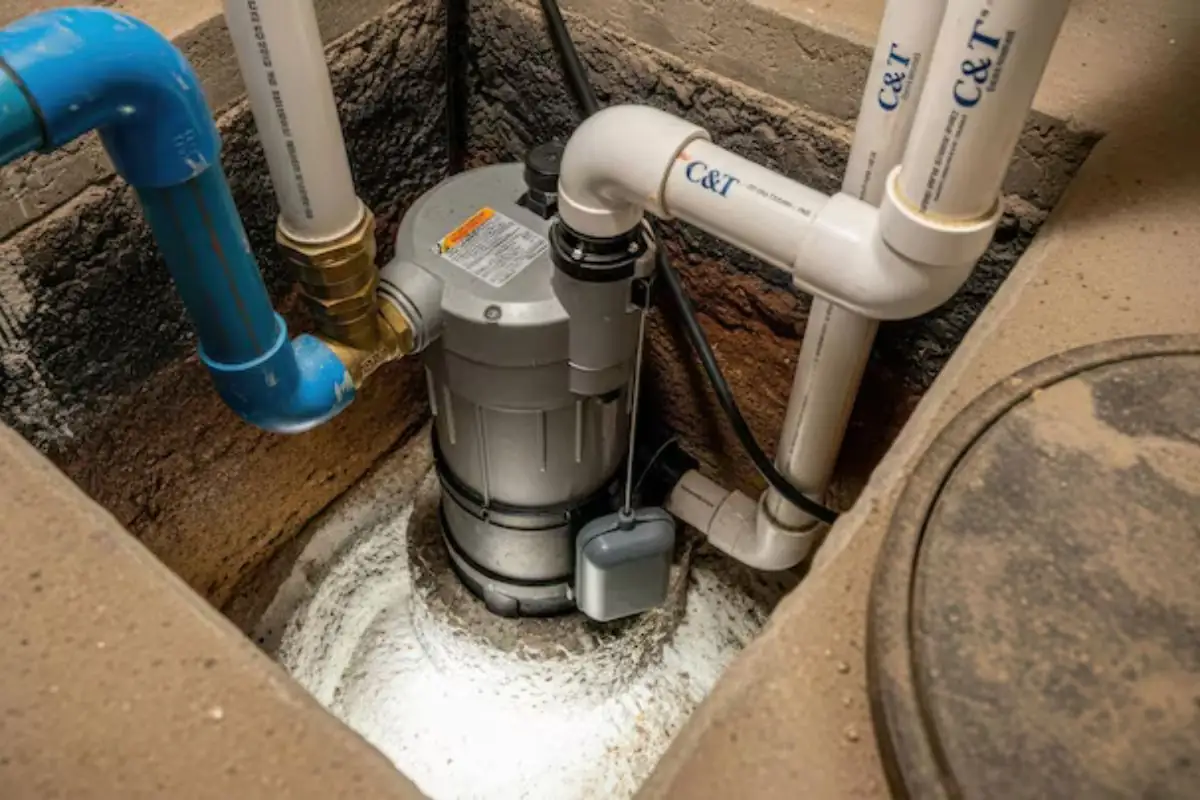
Basement Floor Wet After Rain, or Water in the Pit but the Pump Will Not Run?
Water collecting in a basement pit is a sign the system is working to keep your floor dry. When the pump does not run, the water climbs, spills over the pit and spreads across the slab. A sump pump is the device that fixes that, and when yours stops, sump pump repair or replacement is the fastest way to stop the flooding.
Why a Sump Pump Fails and What to Do About It
| What happens | Likely cause | Fix | How fast to act |
|---|---|---|---|
| Pump hums but moves no water | Stuck impeller, clogged intake or failed check valve. | Clear the intake or replace the pump or valve. | Right away. |
| Pump does not start at all | Power outage, tripped GFCI or dead motor. | Reset the circuit, then test or replace the pump. | Right away. |
| Pump runs constantly | Stuck float switch or a very high water table. | Free or replace the float, check the pit size. | Within hours. |
| Pump cycles on and off rapidly | Failed check valve letting water flow back. | Replace the check valve. | Within days. |
| Loud rattling or grinding | Worn bearings or debris in the impeller. | Replace the pump. | Within days. |
| Water stays in the pit, pump never turns on | Float stuck under the pit lip or tangled in the cord. | Reposition or replace the float switch. | Right away. |
How Sump Pump Installation and Repair Works in Frederick
Sump pump installation and repair in Frederick starts at the pit. The pit is a basin set into the basement floor where groundwater collects. A pump sits at the bottom and a float switch tells it to turn on when the water reaches a set height. The pump then pushes water up a discharge pipe and out of the house, with a check valve to stop it from flowing back.
Most pump failures come from the float, the check valve or old age. A submersible pump typically lasts seven to ten years, and pumps that run constantly wear out sooner. A technician tests the float, the pump motor, the check valve and the discharge line together, because any one of them can be the weak link.
Installation adds the pieces that protect you during a storm. A battery backup pump takes over when power fails, and an alarm warns you if the pit is rising. Power outages often come with the heaviest rain, which is when a basement needs the pump most.
Primary Pump Only, or a Pump With Backup?
A single pump is enough when
- The pit seldom fills.
- Power is reliable at your address.
- The basement is unfinished and holds little.
- You test the pump every spring.
Add a battery or water-powered backup when
- The basement is finished or stores valuables.
- The pit fills after most heavy rains.
- Storms in your area knock out power.
- You are away often and cannot check the pit.
A backup pump has its own float and its own battery, so the battery needs replacement every few years.
Storms, Creeks and Where the Discharge Is Allowed to Go
Frederick sits where the Piedmont meets the valley, with creeks that run fast in heavy storms. The city's flood record reaches back to storms in 1972 and 1976, and the city reports that roughly 11 percent of Frederick lies in or near the 100-year floodplain. Carroll Creek's concrete conduits protect downtown streets, but they do not stop groundwater from pressing on a basement wall.
Where the pump sends the water matters as much as the pump. Sanitary sewers are built for household wastewater, and connecting a sump pump to one is prohibited in most jurisdictions because groundwater overloads the system. Both the County and the City of Frederick have ordinances on illicit connections, so check with the utility before tying a pump into any sewer line. The usual answer is a discharge line that carries water well away from the foundation.
Insurance is the third issue. The Maryland Insurance Administration says water and sewer backup coverage, sold as an add-on, also protects a home when a sump pump overflows. A standard policy may not. If your basement is finished, ask your agent if you have it.
What a New Sump System Involves
Check the pit
The pit is inspected for size, depth and debris. A new basin is cut if the old one is too small.
Set the pump
A pump sized for your water flow is placed on a stable base with its float clear of the walls.
Plumb the discharge
A check valve and a discharge line are installed, routed away from the foundation and protected from freezing.
Add protection and test
Backup power or an alarm is fitted if chosen, and the system is tested by filling the pit.
Basement Taking On Water Now?
Call and describe the pit. If water is rising, stay out of the wet area and move valuables up.
A Five-Minute Sump Pump Test You Can Do Each Spring
A pump that has sat idle all dry season may not start when the storm arrives.
- Pour a few gallons of water into the pit until the float rises and the pump starts.
- Watch the discharge outside. Water should leave the pipe freely and not return to the house.
- Listen for grinding, rattling or a pump that runs for more than a minute after the water is gone.
- Unplug the pump and test the backup, if you have one, by filling the pit again.
- Check the alarm, the battery date on the backup and the outdoor discharge for debris or ice.
If the pump does not start, or the water is slow to leave the pipe, call before the next storm.
What Sump Pump Work Costs and Why It Varies
Photograph the Pit
A quick photograph of the pit, the pump label and the discharge line gives you a record for the insurer. If water has already reached the floor, take pictures of the high-water mark too.
Sump Pump Repair Along Ballenger Creek and the Monocacy
Basements in Ballenger Creek, near Monocacy National Battlefield and along Carroll Creek sit close to groundwater and see pumps run hard after storms. A pump that cycles constantly is a warning that it is working past its design.
Power failures often come with the storms that fill basements, so a battery backup matters in these areas. Test the pump before spring and clear the discharge line away from the foundation.
Sump Pump Questions From Frederick Homes
Yes. The emergency line is open 24/7. A failed pump in a storm is exactly the call it is for.
A typical submersible pump lasts seven to ten years. A pump that runs often can wear out sooner, so replace it before it fails.
If your basement is finished or the pit fills after most storms, yes. A battery backup keeps the pit under control during a power outage.
Away from the foundation, and not into the sanitary sewer. Ask the utility before connecting to any sewer line.
Occasionally in a wet spring. If it runs constantly in dry weather, the float may be stuck or the pit may be too small.
No. A sump pump moves groundwater. A basement toilet or sink needs a sewage ejector pump, which is built for solids.
Yes. Homes near creeks in Thurmont and Walkersville often need a backup pump, and the dispatcher asks where the discharge line ends before booking a visit.
Pump Down in the Storm?
Call now and describe the pit. Someone is on the line through the night.
Call (301) 936-0389